
Life, Uninterrupted.
World-class management of AFib and complex rhythm disorders, alongside advanced device therapy for heart failure, so you can live confidently and actively.
Why epclinic?
Your heart’s electrical system requires a highly specialised approach. EP Clinic is a dedicated cardiac electrophysiology practice focused on the precise diagnosis and treatment of complex rhythm disorders and heart failure.
By focusing exclusively on the heart’s electrical pathways and advanced device therapies, we ensure expert evaluation, tailored treatment plans, and long-term management. Our mission is simple: to restore your heart’s optimal rhythm and function, giving you the confidence to live life uninterrupted.
Unmatched Experience in Heart Rhythm Care
When it comes to treating your heart’s electrical system, experience matters. With over 10 years of dedicated clinical expertise, epclinic is recognised as a highest-volume center for electrophysiology in South Africa and across the African continent.
We perform a vast number of Atrial Fibrillation (AFib) ablations and complex device implants annually. This exceptional procedural volume ensures that our patients receive care backed by refined precision, safety, and proven, long-term outcomes.
Our Team
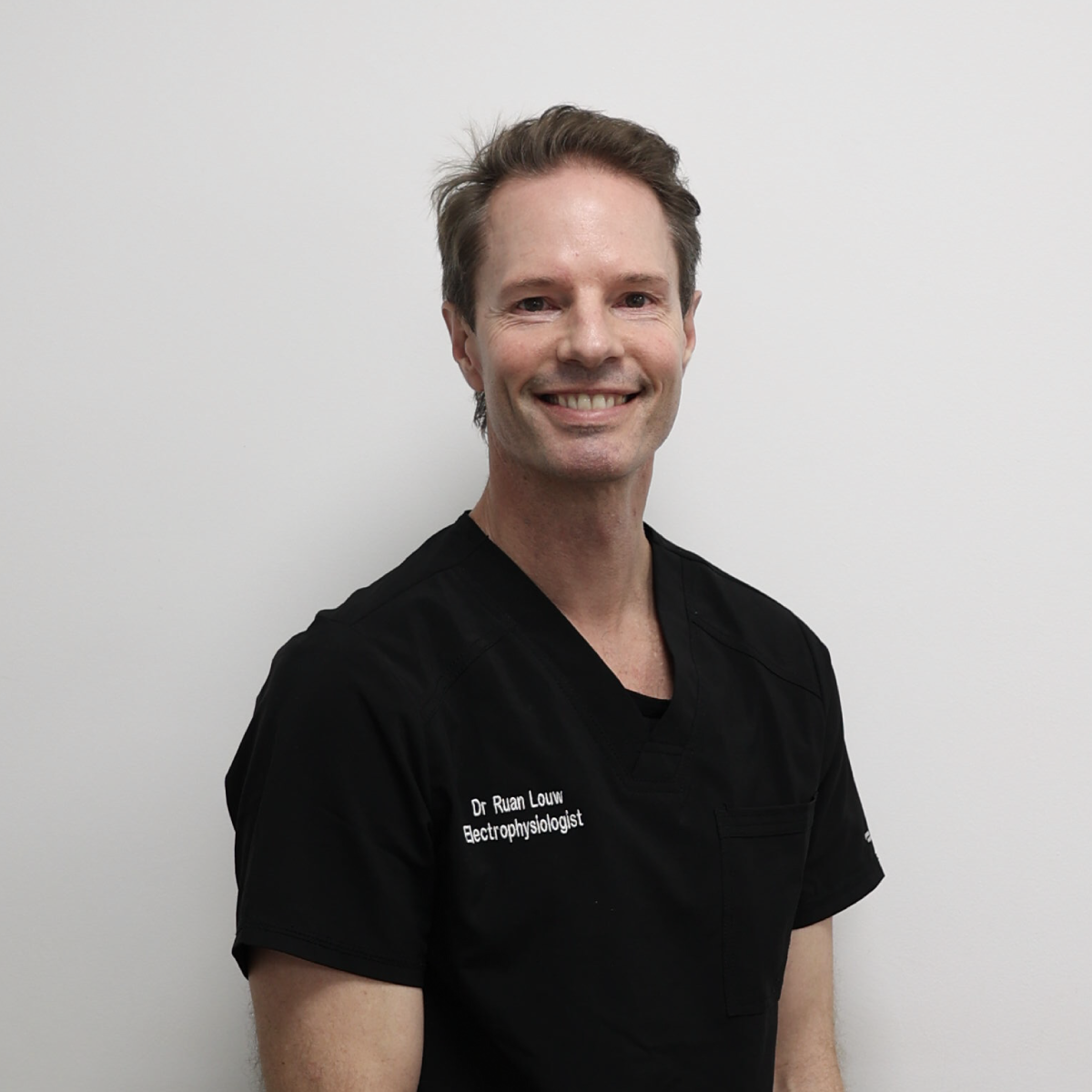
Dr. Ruan Louw
Cardiologist | Electrophysiologist Clinical
Electrophysiology (Belgium)
Dr. Louw brings world-class cardiac care to South Africa. After his initial training, he was selected for two highly prestigious advanced invasive cardiac electrophysiology fellowships in Belgium-training at the renowned University Hospital Gasthuisberg (Leuven) and AZ Sint-Jan Hospital (Brugge).
He is internationally recognised, holding dual certifications from the European Heart Rhythm Association (EHRA): Level 2 Certification in Invasive Cardiac Electrophysiology, and Certification in Cardiac Implantable Electronic Devices (CIED).
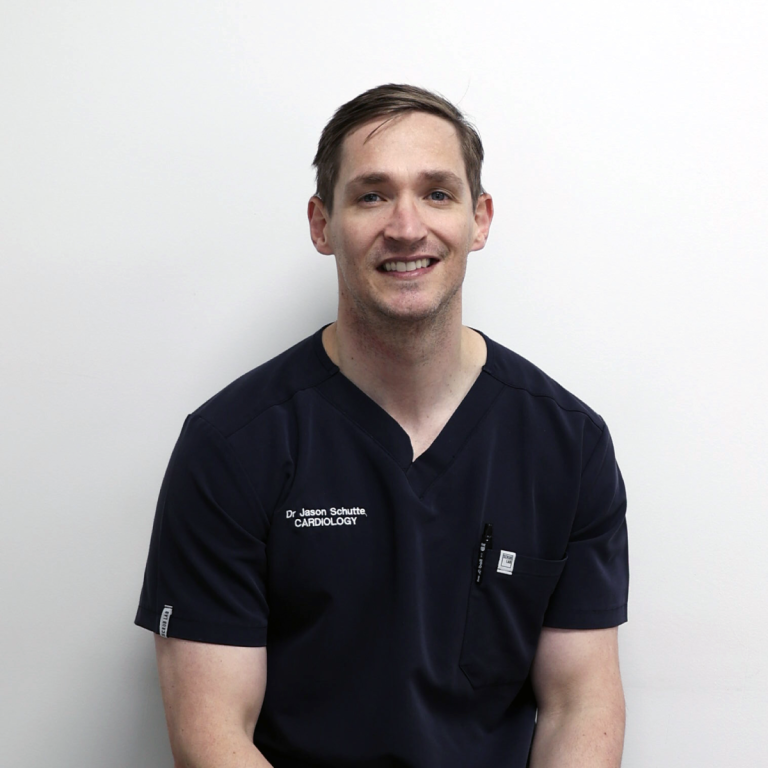
Dr. Jason Schutte
Specialist Cardiologist | Fellow in Clinical
Electrophysiology
Dr. Schutte is an accomplished Specialist Cardiologist who joined EPClinic in January 2025 for an advanced fellowship in Clinical Electrophysiology. Under the direct mentorship of Dr. Louw, Dr. Schutte assists with the practice’s clinical work, applying his extensive background in cardiac imaging, interventional cardiology, ano advanced heart failure management to the specialised care of our patients.
Dr. Schutte’s career is marked by exceptional academic merit; he passed both his Master of Medicine (MMed) and his Fellowship of the College of Physicians (FCP)| with distinction. He is the recipient of multiple prestigious awards, including the Bob Cassel and Max Michael Posel Prizes for Clinical Medicine, and was awarded Academic Honorary Colours by the University of Pretoria.
Demonstrating his commitment to international excellence in heart rhythm care, he has already successfully completed the EHRA Level 2 Cardiac Device Specialist examination and is currently preparing for full EHRA Level 2 board certification in Invasive Electrophysiology.
Qualifications: MBBCh (Wits), Dip HIV Man (SA), MMed (Internal Med) (UP) with distinction, FCP (SA) with distinction, Cert Cardio (SA).
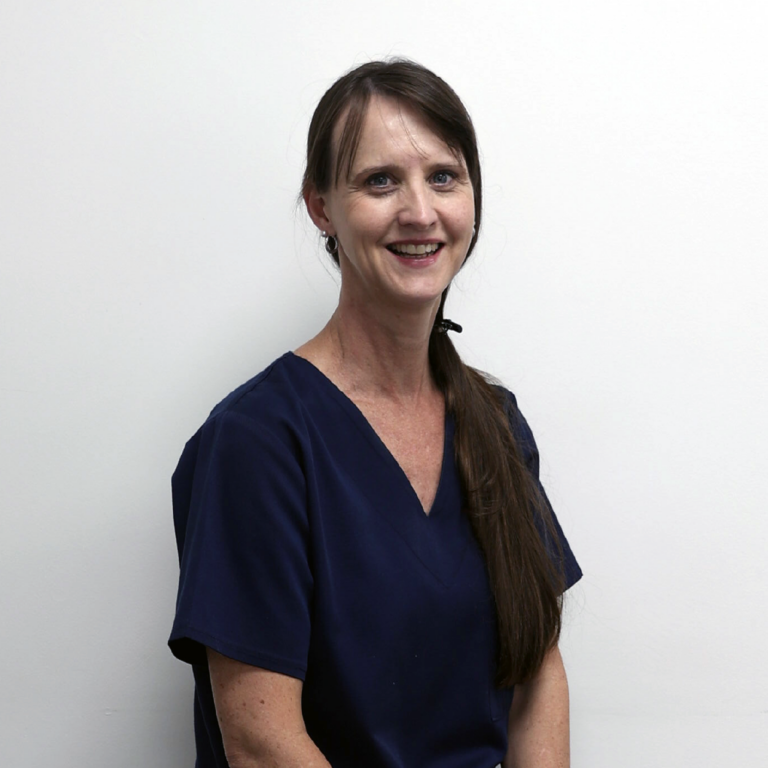
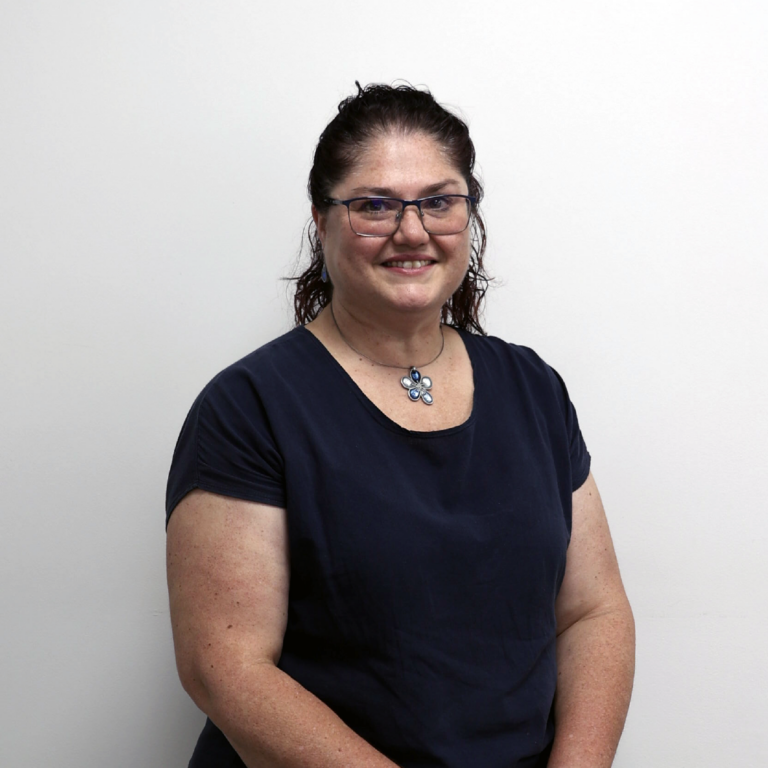
Mandie Marais
Senior Clinical Technologist & Operational Lead
A pillar of EPClinic since its very beginning, I joined Dr. Louw in August 2015 as the practice’s first team member. Initially joining as Patient Journey Coordinator, I now utilise my primary qualification as a Clinical Technologist specialising in cardiology in a vital hybrid role. I blend clinical precision-conducting and analysing complex ECG data, performing pacemaker checks, and providing compassionate feedback on findings —with administrative leadership. I am dedicated to working with people with care, kindness, and compassion. After a rewarding day, I find my balance at home with my husband and two daughters. To unwind, I love turning to baking and cooking, using the farm-kitchen recipes passed down to me by my mother. May I have the opportunity to meet you as a patient and greet you as a friend.
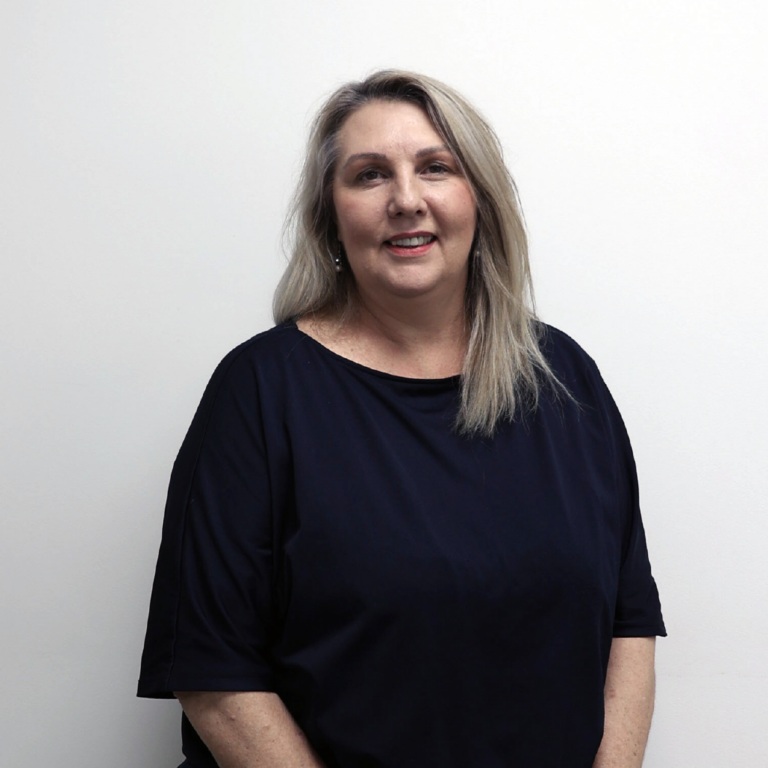
René Pelser
Patient Journey Coordinator
Coming from a background of over thirty years in the corporate and executive field, I bring a high level of professional discipline and organisational capability to the practice. Since making a significant career pivot into medical administration in 2021, I have applied this expertise to support our cardiac patients through their administrative journey. I am dedicated to providing empathetic, patient-centered care, ensuring that daily needs are met with warmth. My focus is on expertly managing the complexities of procedural bookings and insurance authorisations while efficiently coordinating logistical queries between patients and our doctors. To balance my professional life, I enjoy escaping the city with close friends to appreciate painting, cultural events, and the arts, alongside connecting with the farming community.
Jolene Warland
Patient Journey Coordinator
Hi, I’m Jolene Warland. My career choices have always been guided by a passion for helping others-a value system that defined my notable twelve-year journey in luxury hospitality with Rovos Rail. In that role, I developed exacting standards for service precision and complex logistics management. Recognising the need for this level of care in the medical sector, I transitioned into specialised medical administration.
Now, as part of the EPClinic team, I blend high-level administrative competence with genuine compassion. I focus on navigating the patient through the procedural booking and medical authorisation process, ensuring that the necessary logistics are handled seamlessly and supportively. Outside of work, I have a deep love for travel and the outdoors, always appreciating new experiences and the natural world.
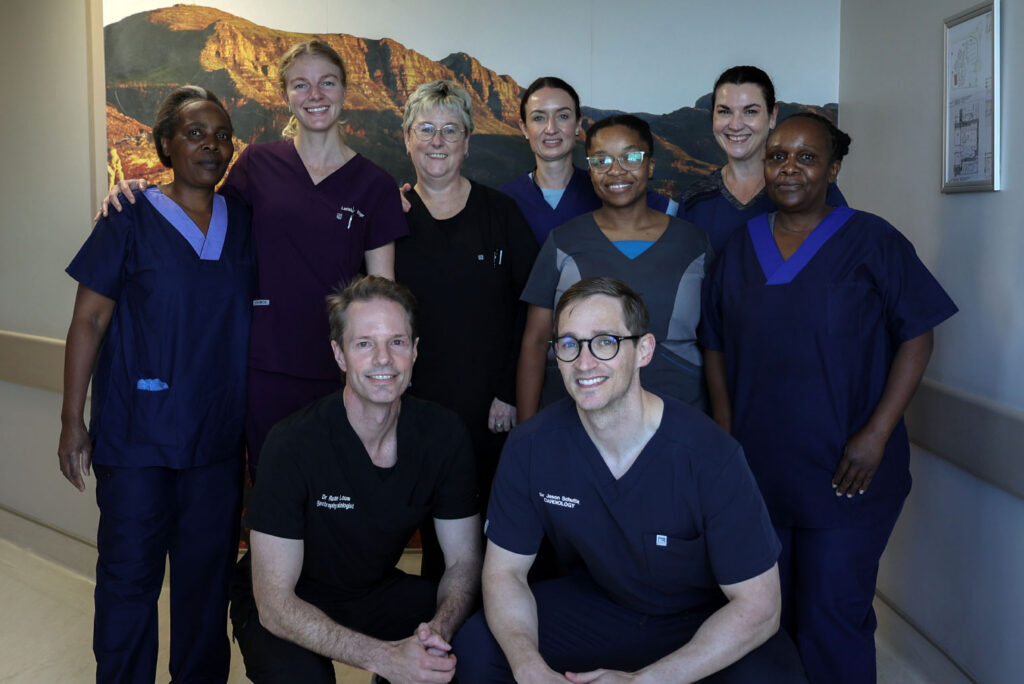
Inside The Theatre
Our epclinic team is a dedicated group of highly skilled clinicians, nurses, and support staff committed to delivering exceptional cardiac care with compassion and precision. Bringing together years of experience in electrophysiology and patient-centered treatment, we work collaboratively to ensure every individual receives personalised care in a supportive and welcoming environment. From diagnosis to advanced procedures and ongoing management, our team prioritises safety, innovation, and clear communication-so patients feel confident, informed, and cared for every step of the way.
Understanding Your Care: Video Guides with Dr. Louw
Knowledge is your best medicine.
Watch our step-by-step guides to understand how we restore your heart's rhythm.
Introduction to Your Planned AFib Ablation
Preparing for an AFib ablation? In this comprehensive guide, Dr. Louw walks you through exactly what to expect before, during, and after your procedure. Watch to learn how this advanced, minimally invasive treatment targets irregular electrical signals to help you regain your normal rhythm and quality of life.
Cardiac Resynchronisation & Pacemaker Therapy
Discover how a Cardiac Resynchronisation Therapy (CRT) device or pacemaker can strengthen your heart and significantly improve symptoms of heart failure. Dr. Louw explains the remarkable technology behind these life-changing devices and breaks down what the implant procedure involves.
Understanding the ICD Procedure
An Implantable Cardioverter Defibrillator (ICD) acts as a powerful, 24/7 safeguard for your heart. In this clear and reassuring overview, learn how an ICD constantly monitors your rhythm, how the minimally invasive implant is performed, and how it protects you from dangerous arrhythmias.
Ablation for Premature Beats (PVCs/PACs)
Are you experiencing bothersome extra, fluttering, or ‘skipped’ heartbeats? Join Dr. Louw as he explains how a highly targeted catheter ablation can safely map and eliminate these premature beats, restoring your heart’s natural, steady rhythm.
Catheter Ablation Explained
What exactly happens during a catheter ablation? This video provides a clear, visual overview of how our clinic uses state-of-the-art 3D mapping and precision technology to safely treat the exact source of complex heart rhythm disorders.
The Standard Pacemaker Procedure
Receiving a pacemaker is one of the safest and most effective ways to treat a dangerously slow heart rate. Learn step-by-step how this straightforward, minimally invasive implant is performed and what your quick recovery will look like.
Global Innovation & Training
Advancing the Future of Heart Rhythm Care
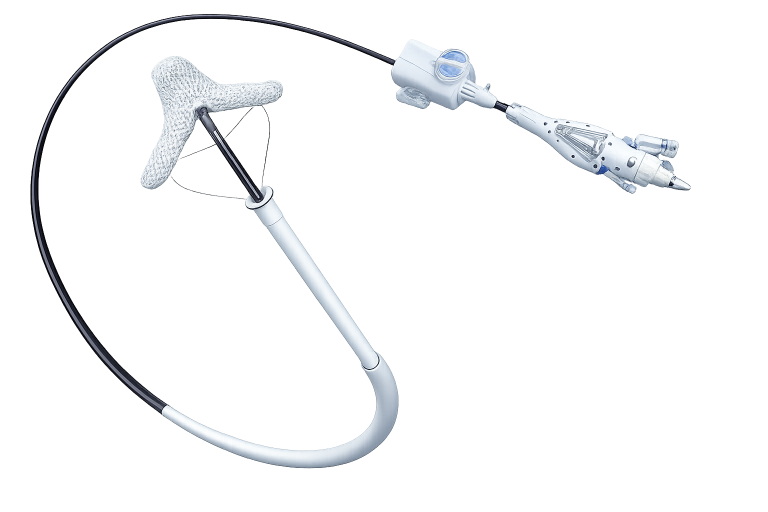
We don’t just use the latest technology—we help shape it. epclinic actively partners with global medical innovators to develop and refine the next generation of cardiac devices and mapping systems. Because of these strategic partnerships, our patients frequently gain access to state-of-the-art technologies before they are widely available to other practitioners.
As a recognised center of excellence, our clinic also serves as a premier training hub. We regularly host workshops for international cardiologists and electrophysiologists who travel to our center to learn our advanced clinical workflows, complex ablation techniques, and cutting-edge device implementations.
Latest News
Frequently Asked Questions
How long does it take to recover from an ablation procedure?
Most patients recover very quickly. Depending on the type of ablation (such as for AFib), you will typically go home the the following morning. You can usually resume your normal daily routine within a few days, though we recommend avoiding heavy lifting or strenuous exercise for about a week while the access site in your leg heals completely.
What is the recovery like after getting a pacemaker or ICD?
Recovery from a device implant is generally straightforward. You will have a small incision near your collarbone. To ensure the new device leads (wires) settle securely into your heart, you will need to restrict large movements of your arm on the side of the implant—such as not lifting your elbow above your shoulder—and avoid heavy lifting for 4 to 6 weeks. We will provide you with a comprehensive, step-by-step care guide before you leave the clinic.
Should I stop my blood thinners before my procedure?
Generally, no. You do not need to stop your blood thinners prior to our procedures. However, there is an important exception if you are scheduled for a device implant (pacemaker or ICD) and are taking multiple blood-thinning medications:
• The 1-Week Rule: If you take an antiplatelet (such as Aspirin or Clopidogrel) PLUS an oral anticoagulant (such as Rivaroxaban, Apixaban, Dabigatran, or Warfarin), you must stop taking the antiplatelet medication exactly 1 week prior to your procedure.
• The 6-Month Stent Exception: If you have had a coronary stent implanted within the last 6 months, do not stop any of your medications. Please continue your prescribed regimen and provide our clinical team with your complete medication list at least 2 weeks before your procedure so we can plan your care safely.
(Note: If you are ever unsure about your specific medication list, please contact our rooms directly.)
How long does a pacemaker or ICD battery last?
Modern devices are incredibly efficient. Depending on how often your heart relies on the device, the battery typically lasts between 7 to 12 years. We will remotely and in-person monitor your device’s battery life during your routine check-ups. When the battery eventually runs low, we simply schedule a minor, quick procedure to replace the generator—you do not need new leads.
Do I need to stop my anti-arrhythmia or heart rate medications before an ablation?
This depends entirely on the specific type of ablation you are having. Please follow these guidelines carefully, and contact our rooms if you are ever unsure:
If you are having an AFib Ablation:
• Do NOT stop your anti-arrhythmia medications. Please continue taking them exactly as prescribed leading up to your procedure.
If you are having ANY OTHER type of Ablation (e.g., for PVCs, SVT, etc.):
To effectively map and treat your irregular heartbeat, we need your heart’s electrical system to be in its natural state during the procedure. Therefore, you must pause these medications:
• Amiodarone: Stop taking this medication exactly 2 weeks before your procedure.
• Flecainide (Tambocor) & Verapamil: Stop taking these completely 3 days before your procedure.
• Beta Blockers (e.g., Bisoprolol, Bilocor, Emcor, Carloc, Atenolol, Sotalol): These must be completely stopped 3 days before your procedure. However, beta blockers must be weaned slowly.
• How to wean: Take exactly half of your normal dose for 5 days, and then stop the medication entirely for the final 3 days leading up to your ablation.
(Note: If you feel highly symptomatic or unwell while weaning off these medications, please contact our clinical team immediately.)
Are you awake during an ablation, and does it hurt?
Your comfort and safety are our top priorities. Most complex ablations are performed under deep sedation or general anaesthesia, meaning you will be asleep and will not feel pain during the procedure. You may experience some mild soreness at the insertion site in your groin for a few days afterward, which is completely normal and easily managed.
Patient Testimonials
Referrals & Procedure Scheduling
epclinic operates as a specialised, high-volume procedural center. To provide you with the most efficient care and to minimise unnecessary pre-procedural consultation fees, Dr. Louw personally reviews all medical files prior to scheduling an intervention.
Please Note: We require an established diagnosis. To evaluate your case for a procedure, you must submit a referral report and a recent ECG from your current doctor or cardiologist.
(If you are experiencing new, undiagnosed symptoms such as palpitations, please consult a general physician or cardiologist for an initial workup before reaching out to our clinic.)
epclinic 2026 © All Rights Reserved. Terms & Conditions